
The Age of Creative Sameness
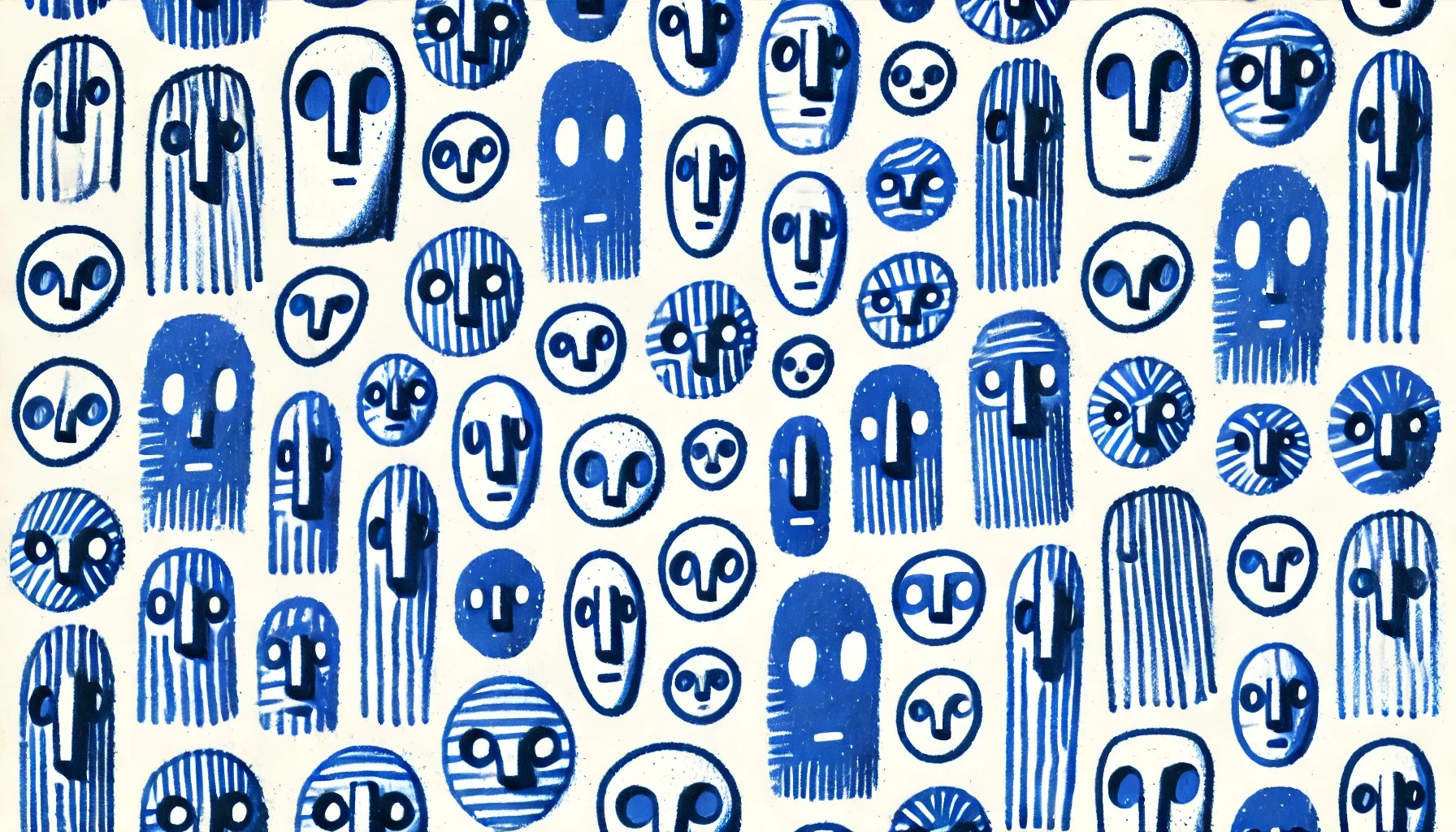
Something strange is happening in in today’s communication. Brands are speaking more than ever, yet they are being heard less and less. Campaigns, posts, activations — everything is technically correct, well crafted, up to date. And still, much of it starts to blur together, to the point where it becomes difficult to remember which was which.
This isn’t a lack of creativity or tools. Quite the opposite. We have more data, more platforms, and more access to inspiration than ever before. Yet in many cases, brands don’t fail because they do something wrong, but because they end up doing similar things.
The sameness goes beyond messaging. It shows up in tone, structure, the emotions brands aim to trigger, even in how they signal that they are “current” or “relevant.” This isn’t about bad ideas — and certainly not about everyone. There are brands doing thoughtful, consistent work with a clear sense of identity. But in many cases, remove the logo and it becomes hard to tell which brand is speaking.
The question isn’t whether this works. The question is why this has become such a common way of working.
How Brands Learned to Imitate and Call It Strategy

This is where trends take on a different role. Not as tools for understanding, but as means of disguise. Instead of helping brands interpret their environment, they often function like costumes — worn to secure participation in the “now.”
As a result, many brands focus less on expressing who they are and more on resembling what is considered current. They adopt familiar language, aesthetics, and narratives, hoping that recognition of the form will translate into acceptance.
The outcome is a peculiar kind of masquerade. I mean, If I had to come up with an analogy to the prevailing situation, I would describe it…
as if the brands strive to stand out in a masquerade party, while dressed in carnival costumes. No one will recognize you like this!
Strategy shifts from defining identity to ensuring fit. Imitation isn’t presented as imitation; it’s labeled as strategy because it’s easy, recognizable, and socially acceptable within organizations themselves.
The Problem Isn’t Trends. It’s Thinking.
What’s described above isn’t new. As early as 2016, Douglas Holt pointed out that, in their attempt to remain relevant, brands often turn strategy into a collective chase for the same cultural signals.
Within this dynamic, brands aren’t competing for meaning but for synchronization. Success is no longer measured by how clearly an identity is expressed, but by how quickly and accurately it aligns with what’s happening in the moment. The result is what Holt describes as the commodification of cultural relevance. So the problem isn’t trends per se. It’s the absence of thinking around them.
When strategy is reduced to following rather than choosing, communication doesn’t create meaning — it simply reproduces noise.
AI Didn’t Create Sameness. It Accelerated It.

The introduction of AI into everyday marketing practice didn’t create this phenomenon. It accelerated it. Generative AI tools didn’t bring sameness into existence — they simply made it easier, faster, and cheaper to produce.
When the input is shared — the same trends, the same references, the same expectations — the output can hardly be different. Without clear direction, judgment, and human choice, AI reproduces the average with impressive efficiency. As a result, sameness intensifies from the conception of an idea to the aesthetics of its execution.
Creativity Isn’t Missing. Direction Is.
If there’s one thing that connects trends-as-costumes and AI-as-accelerator, it’s this: in many cases, creativity isn’t missing — direction is.
Differentiation doesn’t happen just because someone came up with a “good idea.” It happens because someone decided what is worth saying, what isn’t, and how a brand can stay present without dissolving into the present.
This is where creative strategy comes in. Not as a deck before the creative work begins, but as the function that keeps identity intact while culture keeps moving. It turns signals — trends, formats, technology — into choices: what fits us and what doesn’t, what we need to say that doesn’t need to be said by anyone else.
With that direction, trends become material and AI becomes a tool. And that’s when creativity can do what it’s meant to do again: produce something recognizable, not just polished. Something with a voice.
This piece was originally published on Medium.
 FAYUM.GR
Leave a comment